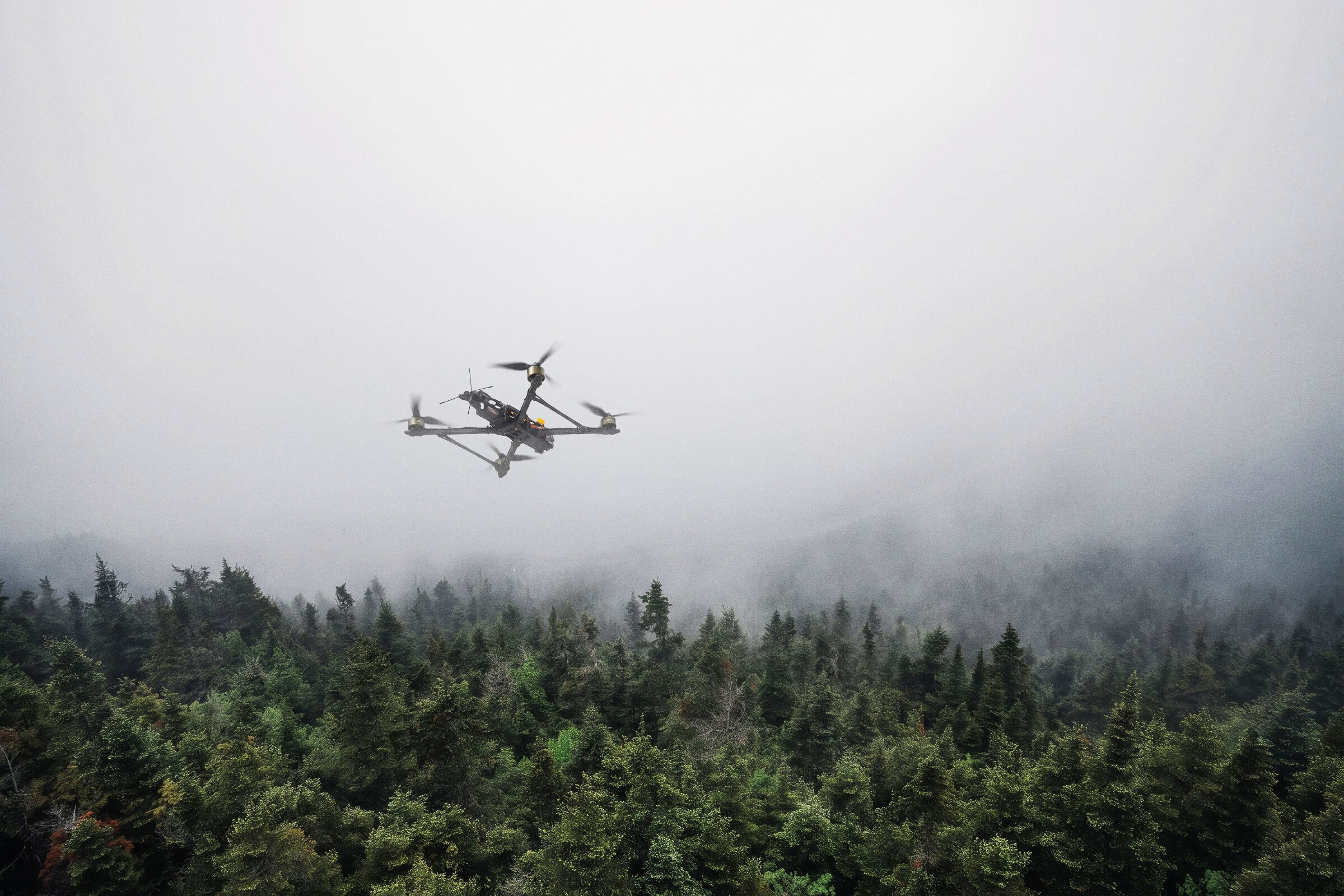
Meet Matti Vansén, CEO and co-founder of ARCTIC RAVN, who is building a European alternative to Chinese-made drone electronics, and discovered his company had a lot more worth patenting than he ever expected.
Let's meet the founders of the future
We meet Matti Vansén, CEO and co-founder of ARCTIC RAVN, an Espoo, Finland-based aerospace and defence technology company building the electronics that get drones into the air. With an estimated 99% of drone components currently sourced from China, a dependency well documented across the drone industry, ARCTIC RAVN is developing European alternatives: sub-components engineered and manufactured closer to home. Matti's path into patents wasn't the usual founder-discovers-a-breakthrough story: it started with a stack of legal invoices, a lawyer's eye for what things should cost, and a growing suspicion that his portfolio companies had more worth protecting than anyone had told them.
Building Europe's alternative, one sub-component at a time
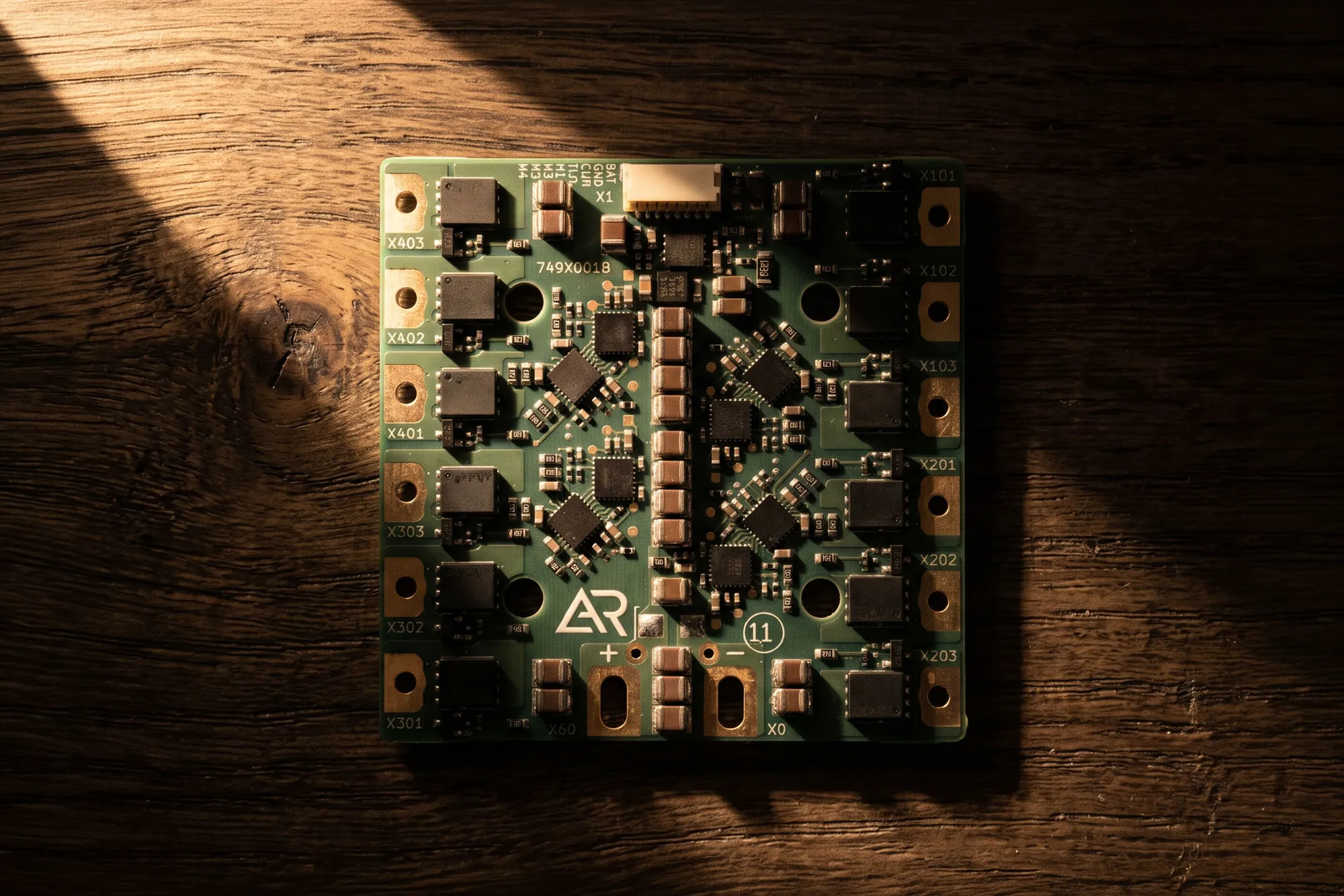
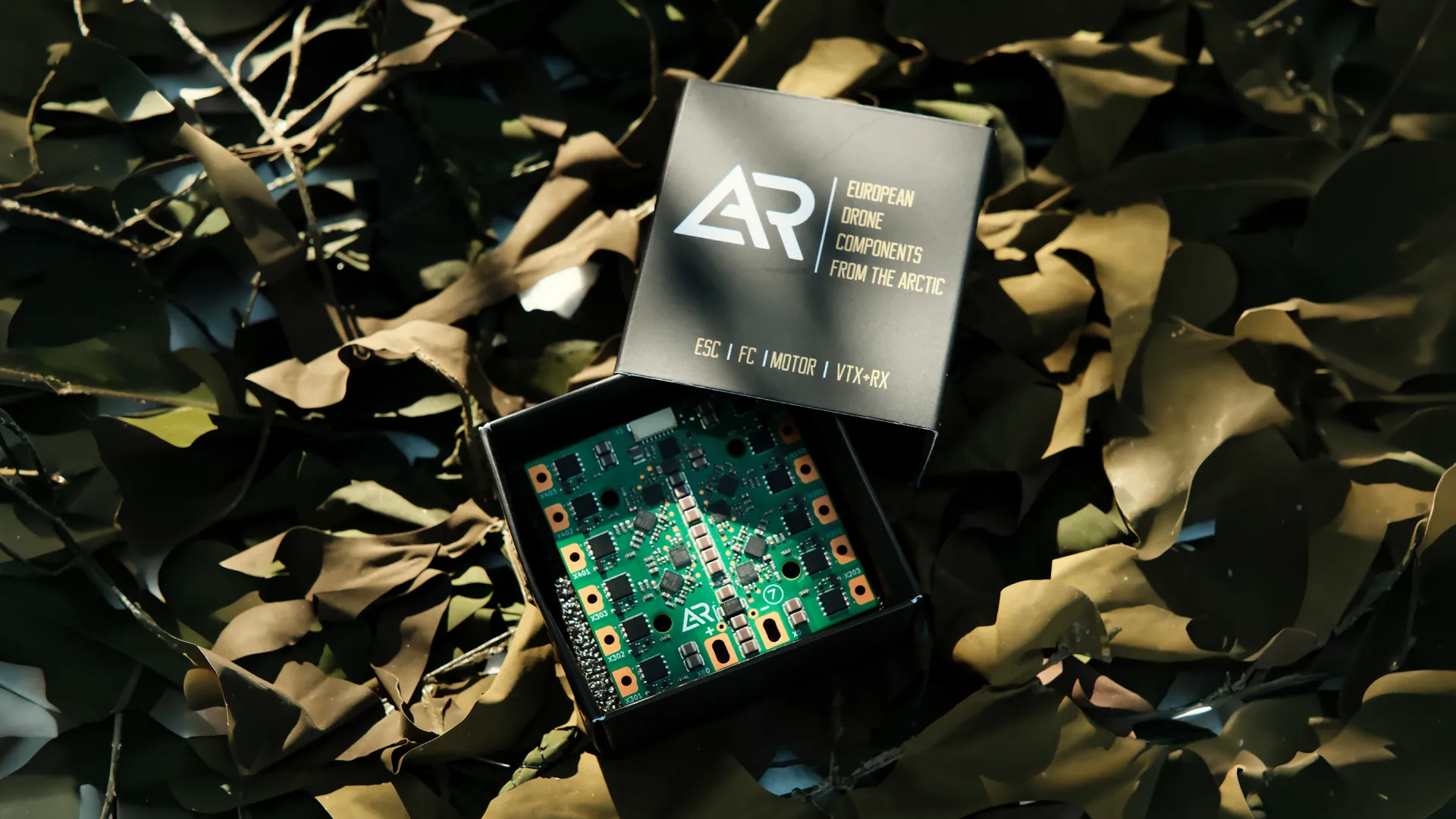
ARCTIC RAVN builds the electronics that power drones: the components that, as Matti puts it, are needed "for the drones to get to the air." Today, the overwhelming majority of that hardware comes out of China. ARCTIC RAVN's bet is that Europe needs its own supply chain for these sub-components, not just for the airframes and software layered on top. It's a deliberate positioning choice too: as a member of the Finnish Defence, Aerospace and Security Industry association, ARCTIC RAVN manufactures exclusively within NATO countries, a requirement for access to much of the defence market it serves, and part of a broader push behind Finland's own national drone strategy, which sets a goal of the country becoming a global drone leader by 2030.
Matti isn't a drone engineer by training. He's a corporate and finance lawyer who works across several portfolio companies, ARCTIC RAVN among them. That vantage point matters to the story: he doesn't just see ARCTIC RAVN's patent decisions, he sees them next to every other portfolio company's legal bills, side by side. "I have come to understand that the valuation of companies that have some proprietary innovations that have been protected have higher valuations," he says, a belief shaped by watching other ventures, not just this one. Beyond drone electronics, ARCTIC RAVN's broader capability set spans air traffic situational awareness and AI-assisted drone analytics, work that spans both civilian and defence applications, the kind of dual-use technology positioning that makes a deliberate patent strategy worth having from day one.
A trust problem before a patent problem
Because ARCTIC RAVN and its sister companies work in defense-adjacent, competitively sensitive territory, secrecy isn't a preference. It's an operating procedure. Most design work happens offline, and Matti is careful to keep even himself out of the specifics. So when a platform with AI built into it entered the conversation, the reaction was caution, not curiosity.
"If someone has AI integrated into their platform, you have to be careful: you don't know how the data is being used, where it's located," Matti explains. Before ARCTIC RAVN would trust Lightbringer with anything, the company's cybersecurity team examined how the platform was built, specifically how patent searches are handled. What convinced them was learning that searches run on what Matti describes as a "no-name basis," nothing traceable back to ARCTIC RAVN. "How I understood it is that Lightbringer is using this kind of anonymised protocol," he says. That review, not a sales pitch, is what cleared the path to actually using the platform.
From expensive and faceless to an actual IP strategy
Before Lightbringer, ARCTIC RAVN wasn't handling patents at all. For a five-person, bootstrapped team, that wasn't surprising: Matti's prior experience with "big attorney's offices" had left a specific impression: expensive, and short on service to match the price. "They know how to bill," he says dryly. Even as a lawyer himself, he found the patent side of IP to be unfamiliar territory: specialised enough that his instinct was to stay out of it and let others handle it.
ARCTIC RAVN found Lightbringer through its own network: a reference from another company in the Finnish Defense House portfolio that had already started using the platform. What turned a referral into a decision was meeting the team. "When we met with Ola and the team, they were super experts in what they do," Matti says. "That convinced us that maybe we should actually patent something, because we thought maybe we don't have anything to patent." Lightbringer's team identified two patent families ARCTIC RAVN hadn't recognised as patentable on their own: a modular drone design, and a set of innovations in their electronic speed controller (ESC).

"If we hadn't met the team, maybe we wouldn't have any patents currently. When you meet with specialists in this field and they tell you that actually you have something to patent, that's already a mindset shift. Now I could say that we have at least some kind of an IP strategy."
Matti Vansén
CEO and Co-founder of ARCTIC RAVN
Results: a portfolio built from zero, and a second customer along the way
ARCTIC RAVN's patent portfolio didn't exist before Lightbringer. Matti describes the growth since as "indefinite," starting from nothing. By his count, the company currently has patents pending across the modular design family, with new filings underway for the ESC innovations, and a third family (covering the flight controller) planned for the near future.
Matti doesn't have a benchmark to quantify time or cost saved, and says so plainly: ARCTIC RAVN never tracked what patents used to cost them in engineering hours, because they'd never filed any. What he can point to is comparison: running ARCTIC RAVN's patent costs against a sister portfolio company, Neoalloys, still using a traditional Finnish attorney's office for its existing applications. "I'm getting those invoices almost weekly, and I'm seeing the amounts and thinking, why are they so high? Because I know what I'm paying for ARCTIC RAVN's patents." That comparison was persuasive enough that Neoalloys has since started using Lightbringer as well, alongside its existing attorney relationship for applications already in motion.
Strategically, Matti credits conversations with the Lightbringer team for giving ARCTIC RAVN its first real filter for patent decisions: weighing a patent's cost against the licensing revenue it could realistically generate, rather than patenting reflexively or not at all. It's the same logic behind Lightbringer's own framework for choosing between patent licensing and a defensive portfolio, and it echoes how patents influence funding and valuation conversations more broadly, the exact effect Matti had already observed from watching other portfolio companies.
What's next
With two patent families in motion and a third (the flight controller) on the roadmap, ARCTIC RAVN is building out its IP strategy alongside its engineering roadmap, one sub-component at a time, in the spirit of Lightbringer's own patent strategy guidance for growing tech companies. Matti has already become an informal advocate within his own portfolio network, pointing other founders toward Lightbringer rather than the traditional attorneys he spent years paying by the invoice. At Lightbringer, we're glad to help build the European alternative ARCTIC RAVN is chasing, and to keep an eye on what else might turn out to be patentable along the way.
FAQs
What does ARCTIC RAVN do?
ARCTIC RAVN builds electronics for drones (the components that get drones into the air), with a focus on European-made alternatives to the Chinese components that currently dominate the supply chain.
Why did ARCTIC RAVN decide to file drone patents?
Two reasons drove it: increasing competition in the drone electronics space, where investors ask directly what's patented, and CEO Matti Vansén's own observation from other portfolio companies that IP-protected startups tend to command higher valuations.
What kind of technology has ARCTIC RAVN patented?
Two patent families so far: a modular drone design (which can be licensed to third parties) and a set of innovations in ARCTIC RAVN's electronic speed controller (ESC). A third family, covering their flight controller, is planned.
How does ARCTIC RAVN handle security given its defense-tech context?
Before adopting Lightbringer, ARCTIC RAVN's cybersecurity team vetted how the platform's AI handles patent search data, confirming searches run on an anonymised, non-attributable basis, a requirement in a space where secrecy is standard practice. For the broader regulatory picture, export controls, government funding rights, and dual-use IP strategy, see Lightbringer's defense tech patents FAQs.
Why did ARCTIC RAVN move away from traditional patent attorneys?
Cost and service: Matti describes his prior experience with large attorney's offices as expensive and short on customer service ("they know how to bill"). A referral from within his own portfolio network led him to Lightbringer instead.