Patent costs in 2026 explained
Patent costs in 2026 explained
What drives the cost of a patent?
Patents have a reputation for being expensive and hard to follow, and that reputation is earned.
A simple design filing might cost less than a laptop, while a global utility patent portfolio can reach six figures. People asking “how much is a patent?” usually want to understand what they’ll actually pay for and where costs rise.
This guide breaks down the real cost to patent an idea in 2026, including patent filing fees, attorney costs, flat fee patent filing models, provisional applications, utility patents, design patents and affordable ways to approach the process without cutting corners.
Understanding patent costs
Patent costs rarely come down to a single fee. They’re shaped by the type of protection being pursued, the complexity of the invention and how the application itself is prepared. Before looking at specific pricing models or filing strategies, it helps to understand where those costs actually come from.
Why patent costs vary so much
Patent costs vary because different types of protection require different levels of legal, technical and strategic work.
A provisional application is cheaper than a utility patent, while complex inventions need more drafting, claims, and prosecution. International filings raise costs further due to local attorneys, translations, and renewals.
The filing approach matters too. Some inventors use DIY to cut costs, while others choose flat fee or fixed price services for predictable budgeting.
That’s why patent costs can range from a few hundred dollars to over $25,000 depending on the invention and filing strategy.
Average patent costs
This is one of the most searched patent questions online because the difference is much larger than many people assume.
Small drafting decisions can greatly affect how enforceable or commercially useful a patent becomes later.
A surprisingly large portion of the cost to patent an idea has very little to do with the government filing fee itself. What applicants are usually paying for is drafting, technical precision, legal strategy and long-term defensibility.
Patent language matters. Claims matter.
Patent filing fees
In the US, the USPTO uses different fee levels for micro entities, small entities and standard applicants.
These numbers only reflect official patent office fees and don’t include attorney costs, drawings, prior art searches, or later prosecution work.
Choosing the right filing strategy
Not every patent application follows the same path. Some filings are designed to secure an early filing date quickly, while others are built for long-term enforceability across multiple markets. Understanding the differences can make it much easier to decide where spending more genuinely creates value.
Provisional patent cost
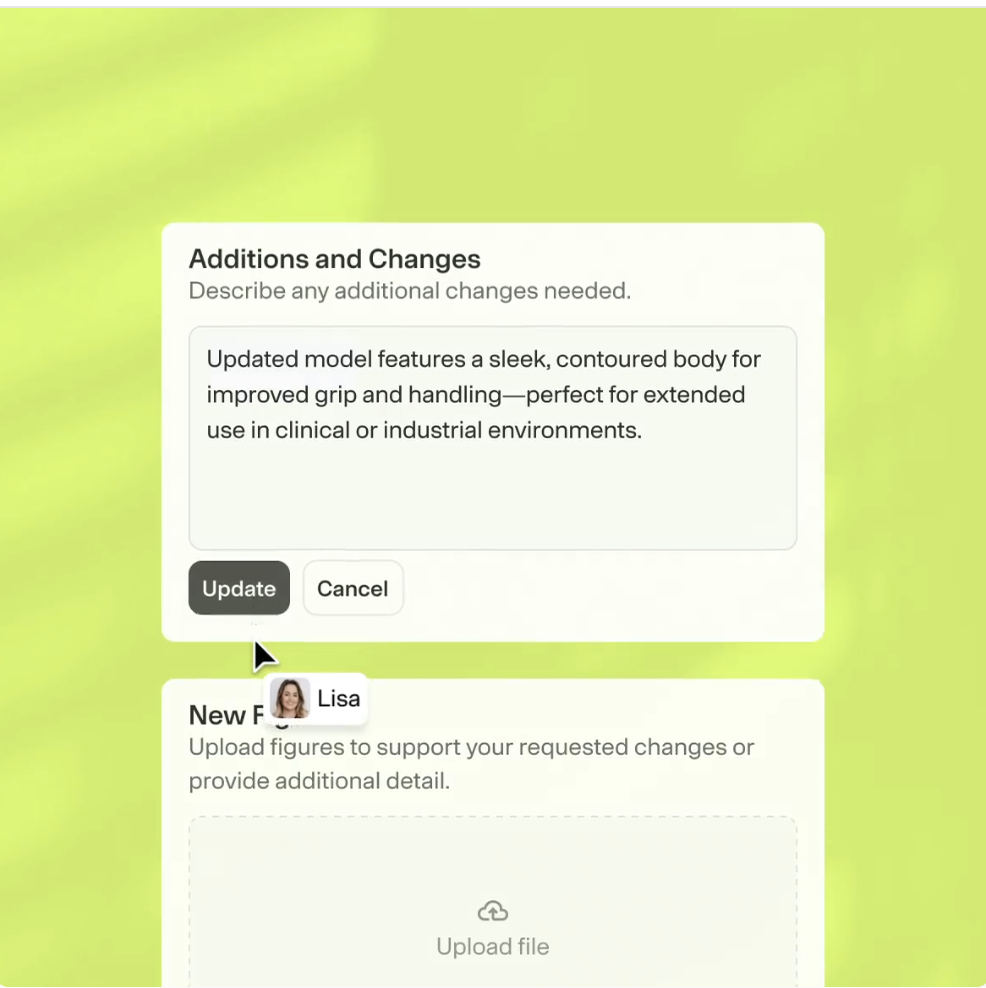
For many startups and inventors, a provisional application is the first step into the patent system.
A provisional filing allows applicants to secure an early filing date and legally use “patent pending” status for 12 months before filing a non-provisional utility patent. Because the requirements are less formal, the provisional patent cost is significantly lower than a full utility application.
This is where many affordable patent filing services position themselves, although there’s an important distinction worth making: cheap filing is not always the same thing as strong protection.
A rushed provisional application with weak technical detail may save money upfront, but it can become difficult to rely on later if the invention evolves or faces scrutiny during examination.
Utility patent cost
Unlike provisional applications, utility patents require formal examination and carefully drafted claims, which means more attorney time, technical detail, and back-and-forth with the patent office.
Highly technical inventions in software, AI, medtech, and biotech can exceed that range due to added prosecution work and complex drafting.
This is also where patent lawyer fees become less predictable. Some applications proceed relatively smoothly, while others involve years of office actions, revisions and examination before grant.
Most professionally prepared utility patent applications fall somewhere between:
$8,000–$25,000+
Design patent cost
Design patents protect appearance rather than functionality, making them particularly useful for consumer products, packaging, wearables and industrial design.
Because design patents are narrower and structurally simpler, the design patent cost is typically much lower than utility patents.
For many brands, design patents provide strong commercial value relative to cost, especially in industries where visual differentiation drives purchasing decisions.

Attorney fees & pricing models
Government filing fees are relatively easy to understand. Attorney pricing, prosecution work and different billing models are usually where uncertainty begins.

Patent attorney cost
Many inventors see official patent filing fees online, then get surprised when the total quote from a patent attorney ends up significantly higher.
That gap usually comes down to the legal and strategic work surrounding
the filing itself.

Affordable patent filing is absolutely possible, but usually when expectations, complexity and commercial goals are aligned properly.

Flat fee patent filing vs
hourly billing
Lower-cost approaches can work well, but only when the invention and filing goals are straightforward enough to support them.
Government filing fees are clear, while attorney costs and prosecution work create uncertainty.

Affordable patent filing
End-to-end management for growing patent portfolios, built for tech companies that need strong, defensible IP.
Lower-cost strategies tend to
work best when:
End-to-end management for growing patent portfolios. For tech companies building strong, defensible IP.
Lower-cost & DIY options
Government filing fees are relatively easy to understand. Attorney pricing, prosecution work and different billing models are usually where uncertainty begins.
Can you patent an idea for free?
Technically, yes. Realistically, only sometimes.
If you’re researching how to patent an idea for free, there are a few legitimate low-cost routes available, however most still involve at least some filing fees or administrative costs.
Applicants can file provisional or utility applications directly through the USPTO without hiring an attorney. This significantly lowers patent attorney cost, although it also increases the risk of procedural mistakes or weak claim drafting.
For simpler inventions, DIY filing may still be viable, particularly at the provisional stage
An idea
Points in a direction

An invention
Solves a problem
Free patent resources
Several organisations provide free or reduced-cost legal support for qualifying inventors, including:
These resources won’t replace legal strategy, but they can make the patent system significantly
easier to navigate for first-time applicants.

USPTO Patent
Pro Bono Program
University
Law Clinics
Startup
Incubators
Innovation
Accelerators
USPTO
WIPO
EPO
UKIPO
Patent maintenance fees
One of the biggest surprises for first-time patent owners is that the cost doesn’t stop after grant.Technically, yes. Realistically, only sometimes.
Most utility patents require maintenance fees to remain active over time. In the US, these payments are generally due:
First maintenance fee due after grant
Second maintenance fee due after grant.
Third maintenance fee due after grant.
Combined, patent maintenance fees can total several thousand dollars throughout a patent’s lifetime.
International portfolios become even more expensive to maintain because each country introduces separate renewal structures, annuities and deadlines.

International patent costs
International patent protection changes the cost structure dramatically.
While systems like the Patent Cooperation Treaty (PCT) simplify the filing process procedurally, they don’t create one universal global patent. Instead, they delay and coordinate future national filings.
Translation costs, local attorneys, regional filing rules and ongoing renewals all contribute to the total.
What should actually be patented
Where legal costs create value
When speed matters
How to avoid expensive IP mistakes early
FAQ
Still have questions? We’re here to help.
Patent costs can range from under $300 for a DIY provisional filing to $25,000+ for a professionally prepared utility patent with international protection.
Flat fee patent filing can provide more predictable budgeting for startups and inventors, although it’s important to understand exactly what services are included before choosing a provider.
Some inventors qualify for pro bono support programs or choose DIY filing routes, although most patent applications still involve at least some official filing fees.
Patent maintenance fees are recurring government fees required to keep certain patents active after grant. In the US, utility patents typically require payments at 3.5, 7.5 and 11.5 years after issuance.
Utility patents protect functionality and usually involve more complex drafting and examination, making them significantly more expensive than design patents, which protect appearance.
Trusted by founders.
Loved by engineers.
4.8 out of 5 stars G2 reviews
Smart patent decisions happen before filing.
.webp)