What is a patent?
What a patent actually protects
Understanding the purpose of a patent
Patents are often seen as business magic. Startups mention them in pitch decks, investors ask about them, and companies build portfolios around them. They’ve become shorthand for innovation, even if most people aren’t sure what a patent actually does.
And that confusion makes sense. Because patents sit somewhere between law, technology and business strategy. They can protect genuinely valuable inventions, but they can also become expensive paperwork with very little commercial value if handled badly.
So before discussing patent costs, patent types or filing strategies, it helps to start with the basics – what is a patent?

Exclusivity in exchange for disclosure
At its core, a patent is a legal right that gives inventors temporary control over how an invention is used, manufactured or sold. In exchange, the inventor publicly explains how the invention works so that the knowledge eventually becomes available to everyone.
That trade-off is the foundation of the patent system. Inventors receive a period of exclusivity. Society gets access to new technical knowledge once the protection expires.
Simple enough on paper. Slightly more complicated once products launch, competitors appear and international markets enter the picture.
Why do patents exist?
To encourage innovation.
Developing new technology is expensive, slow, and risky. Without legal protection, competitors could copy inventions immediately after launch without investing in the original research.
Patent systems attempt to solve that problem by rewarding innovation with limited exclusivity.
The goal isn’t permanent ownership, but enough protection to justify investing in new inventions.
That’s also why patents eventually expire. Once they do, the invention enters the public domain and can be used freely by others.
Many technologies people use every day, from pharmaceuticals to manufacturing methods, were once patented inventions before becoming publicly accessible later.

Reward the effort
Turn breakthrough ideas into protected innovations in weeks, not months, with a streamlined patent filing workflow that helps you capture, refine, and file faster than ever.

Limited, not forever
Cut your patenting costs by up to 50% with transparent, fixed pricing that scales with your needs. Our patent subscriptions gives you full control, predictability, and flexibility as you grow.

Then it is public
Grow your patent portfolio as your business grows. Our AI-native platform gives you deep insights into your existing portfolio, as well as your competitors’ patents.
Patent pending vs patented
This is one of the most searched patent questions online because the difference is much larger than many people assume.
What patents protect
What patents don't protect
Those fall under other forms of intellectual property protection, such as trademarks or copyrights.
Many first-time founders misunderstand patents. Patents do not protect entire businesses. They protect specific inventions. A food delivery company cannot patent fast delivery. It may patent a unique system that enables it. The difference matters.
What makes something patentable
While patent laws vary internationally, most systems rely on a few core principles
Novelty
Non-obviousness
Utility
Clear disclosure


Ideas alone usually can’t be patented
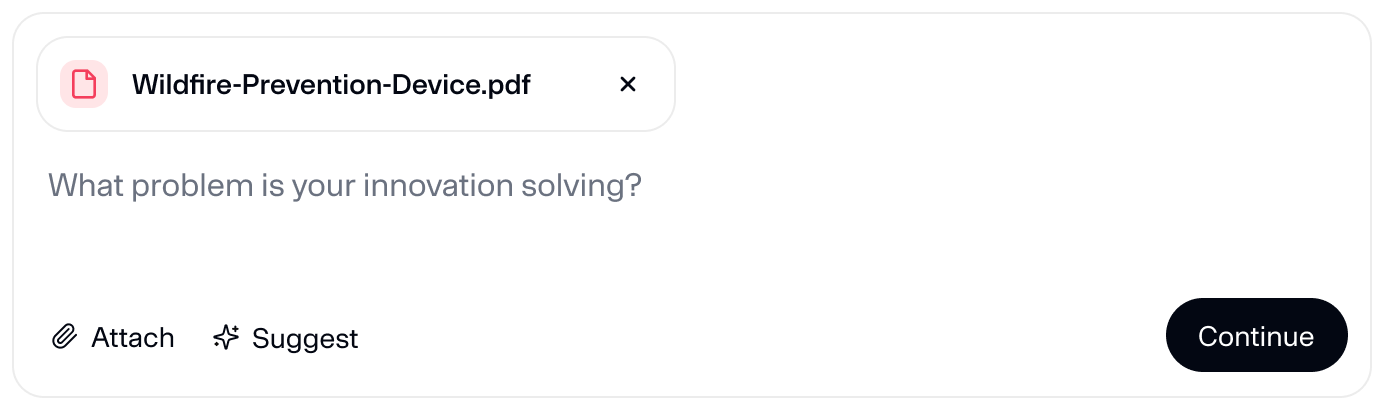
An idea on its own is generally not enough. Patents require a clearly defined invention rather than a broad concept or ambition. They are ultimately about implementation: the invention has to be developed clearly enough that someone skilled in the field could understand how it works.
That is why patent strategy often becomes closely tied to product development. The more concrete and technically defined the invention, the easier it is to assess whether protection makes sense.
"An app that improves productivity"
A specific method that improves task prioritisation through a new algorithm
implementation.
Do patents apply internationally?
No. Patent rights are territorial, which means protection is generally limited to the jurisdictions where applications are filed and approved.
That’s why companies operating internationally often build layered filing strategies involving:
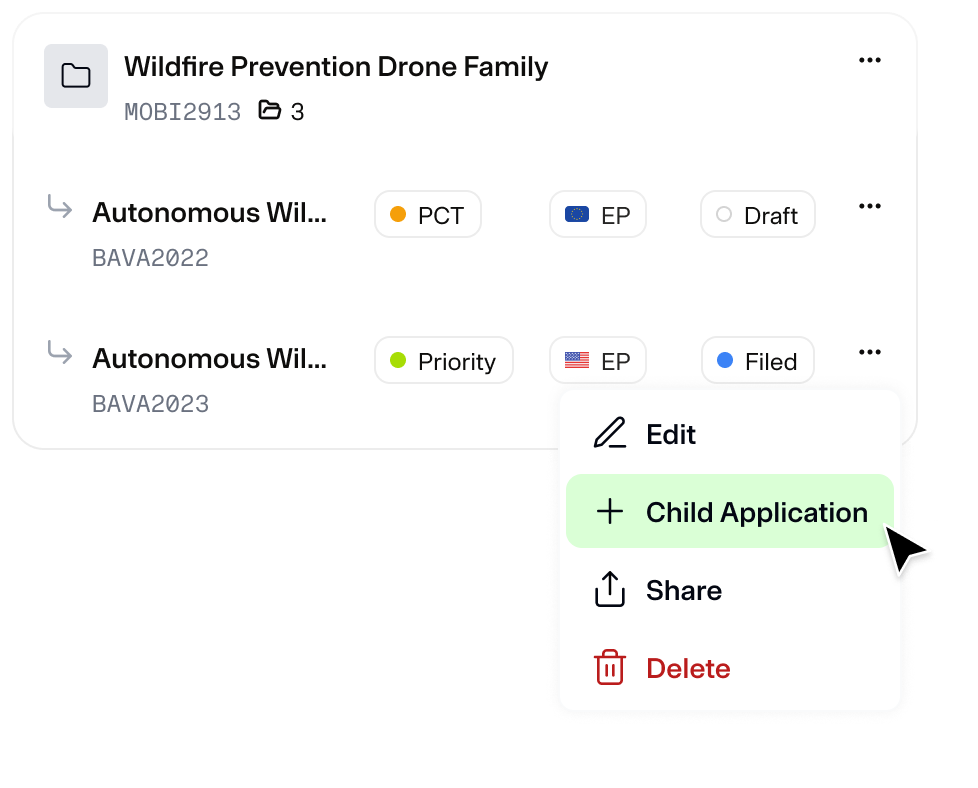
That’s why patent strategy often becomes closely tied to product development. The more concrete and technically defined the invention becomes, the easier it is to assess whether patent protection makes sense.


Patent Cooperation Treaty (PCT)

The broader the geographic protection, the higher the complexity and cost usually become.
This is also why businesses need to think carefully about where patent protection actually matters commercially. Patent filing everywhere is rarely realistic or necessary.
The different types of patents
Most patent systems divide protection into a few core categories
Utility patents
Protecting how something works
Usually the type people refer to when patenting an invention.

Design patent
Protect how something looks.
Usually the type people refer to when patenting an invention.
Plant patent
Protect certain new plant varieties.
These are far less common and primarily associated with agriculture and horticulture for plants reproduced asexually
Provisional patent applications
Secure early filing date.
Temporary filings that secure an early filing date before a formal patent application is submitted.
Patent vs trademark vs copyright
Patents are only one part of intellectual property protection.
Patent
Protects inventions and technical innovation.
A utility patent protects:
Trademark
Protects brand identity, including:
A design patent protects:
Copyright
Protects creative expression such as:
A plant patent protects:
Provisional vs non-provisional patent
This comparison causes confusion constantly. Here’s the practical difference.
Provisional patent application
Utility patent
A provisional filing essentially buys time, but it only works if the non-provisional patent application is filed within 12 months. Miss that deadline and the provisional filing expires.
Patent
Protects inventions and technical innovation.
Trademark
Protects brand identity: names, logos, slogans and identifiers.
Copyright
Protects creative expression: writing, photography, music, video and artwork.
Common Patent Misunderstandings
A few beliefs come up again and again. Most are half true at best
FAQ
Still have questions? We’re here to help.
A patent is a legal right that gives inventors temporary control over how an invention is used, manufactured or sold in exchange for publicly disclosing how the invention works.
Patents protect inventions, including technical systems, products, machines, processes and functional innovations.
Patent duration depends on the patent type and jurisdiction. Utility patents commonly last around 20 years from filing.
Patent pending means a patent application has been filed but not yet granted. Read more about it here.
No. Patent rights are territorial and usually need to be filed separately in different jurisdictions.
Patent costs vary significantly depending on the invention, filing strategy and number of jurisdictions involved. Read more about the costs and fees.
Not sure which protection fits?
.webp)