Your SBIR proposal may ask about IP. Have a real answer.
NSF asks for an IP strategy and a brief rationale. NIH asks how you’ll protect your IP. Work out what’s new, who owns it, and how you’ll protect it, then ask your assistant to draft the section from that record. Lightbringer is an IP platform that works inside Claude and ChatGPT.
Free to start, with a patentability check included. Nothing is saved until you approve it. How your data is handled · Start in the web app
- Reading your technical narrative
- Listing what looks new
- Checking what’s already captured
A first strategy: one method to protect, one thing to keep secret, one thing to check.
- ProtectLow-power sensing method. Captured, not filed.
- SecretCalibration data. Recorded with the reason.
- CheckUniversity licence. What you own, and what you license.
A first draft to edit, not legal advice.
Used by more than 200 deep tech companies across the US and EU.





Agencies ask for it in writing.
NSF asks Phase I applicants to describe their intellectual property strategy and give a brief rationale. NIH’s commercialization plan has a section on IP protection, required for Phase II, Fast-Track, and Direct-to-Phase II. Requirements differ by agency, so check your solicitation.
What’s new
The parts of your technology that look like inventions, in plain words.
Who owns it
What the company owns, and what it licenses from a university or partner.
How you’ll protect it
Patent, trade secret, or leave it.
The rationale
The reasons behind each choice, kept with the strategy.
Saved once, so every proposal says the same thing.
Write it for the application. Keep it after.
The IP strategy you write for a funder is the one you’ll run the company on. Start free, and bring in our experts only when something is worth filing.
Connect Claude or ChatGPT and save a first IP strategy. Then ask your assistant to draft the IP section of your commercialization plan from it.
Capture new inventions and keep the strategy current, so the next proposal and the next investor get the same answer.
A registered patent practitioner drafts and files from the record you built.
Nothing is saved, shared, or filed without your approval.
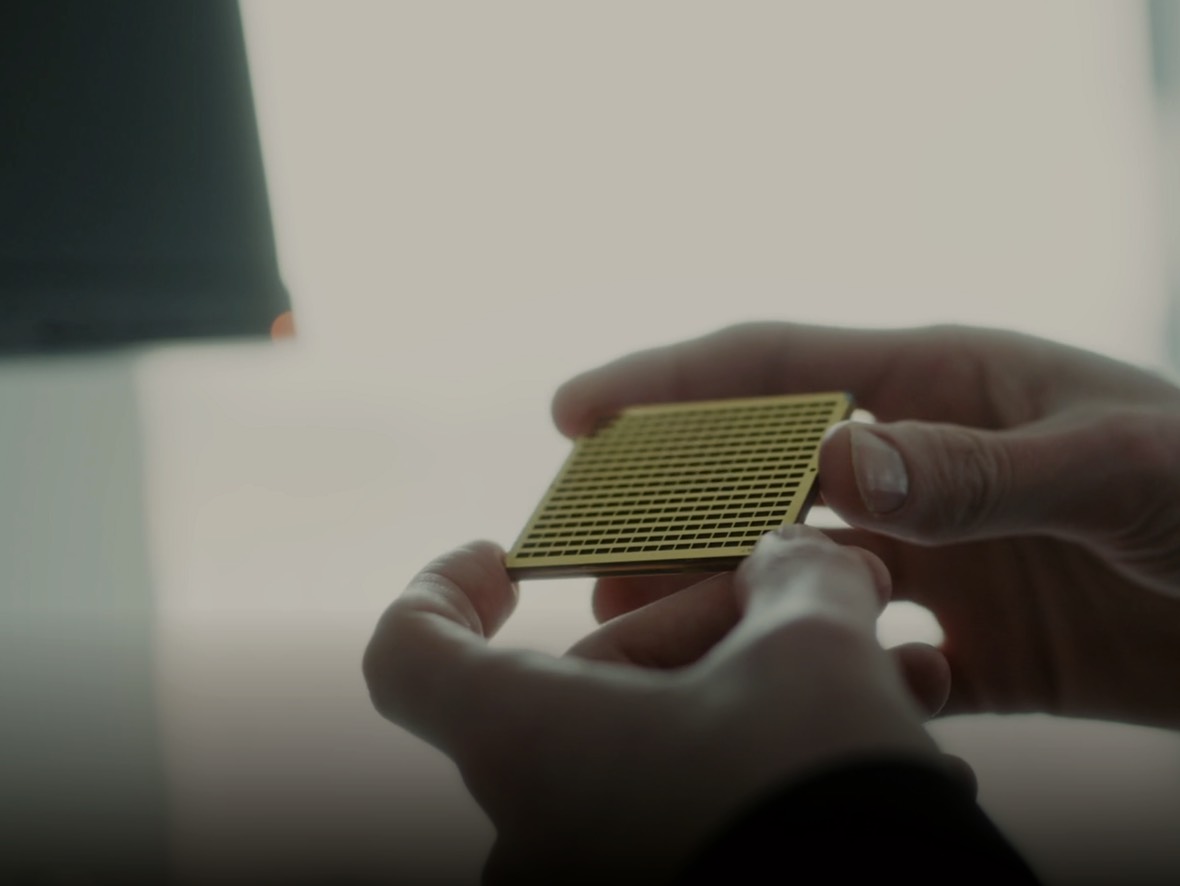
How TERASi protects its mm-wave radio technology.
“Lightbringer saved me time and made the process much easier, especially knowing that everything is quality-checked by both a human and AI.”
James Campion, co-founder and CEO, TERASi
Read the TERASi storyWhen it’s worth filing, hand it over.
A registered patent practitioner starts from the invention you captured, not a blank page. Work before the USPTO is done by USPTO-registered practitioners, and the one responsible for your filing is named to you in writing first. They make the legal calls.
Managed IP plans include the platform.


Applicant questions
Later, but soon. The Project Pitch doesn’t ask about IP. The full Phase I proposal does, in the commercialization potential part of the project description. Writing the strategy now means it’s ready if you’re invited to submit.
NSF’s Phase I project description asks you to describe your intellectual property strategy and give a brief rationale. NIH’s commercialization plan includes a section on IP protection for Phase II, Fast-Track, and Direct-to-Phase II applications. DOE’s Phase I commercialization plan also has an intellectual property section. Other agencies differ, so read your solicitation.
Yes. SBIR and STTR were renewed in April 2026. Each agency publishes its own deadlines, so check the agency’s page for current dates.
No one can promise that. Reviewers score the whole application, and IP is one part of it. Lightbringer helps you answer the IP questions clearly, from your own technical work.
It’s worth stating plainly: what you license, what you own, and what the company has invented since. You can record that in your IP strategy, so every proposal says the same thing.
Yes. You can capture what’s new in your technology, record who owns it, and write down how you plan to protect it. Capturing an invention does not mean filing it.
Lightbringer is built for unfiled inventions. Sign-in is per organisation, nothing is saved until you approve it, and nothing is filed without a person. Claude and ChatGPT keep their own data settings, so check yours before you share details you haven’t filed.
Check patentability, search public patents with sources, capture inventions in conversation or from a document, and keep your patent portfolio and IP record in one place. In the web app you can also monitor competitor patents. Patentability checks are automated output, not a practitioner review, a legal opinion, or a freedom-to-operate assessment.
It is free to start, and you buy credits when you need more. Drafting and filing are part of Managed IP, where a registered patent practitioner does the work.
Have your IP strategy written before the deadline.
Connect Lightbringer to the AI assistant you already use. Free to start, with a patentability check included.