Patent management software
A buyer’s guide for modern IP teams
Before you patent an idea, search first
Most intellectual property teams don’t realise they’ve outgrown their systems until something breaks.
A missed renewal deadline. A duplicated filing. A spreadsheet nobody trusts anymore. An invention disclosure buried in email. Outside counsel chasing updates across six different tools. Finance asking what the patent portfolio is actually worth and nobody having a clean answer.
That’s usually the moment companies start looking for patent management software.

And then the confusion begins.
Because suddenly there are:
Very few vendors explain what actually matters when choosing software that may end up managing millions of dollars in intellectual property assets.
This guide breaks down the real differences between modern IP management software platforms, the features that genuinely matter, where teams tend to overspend and how to evaluate systems based on the way your organisation actually works.


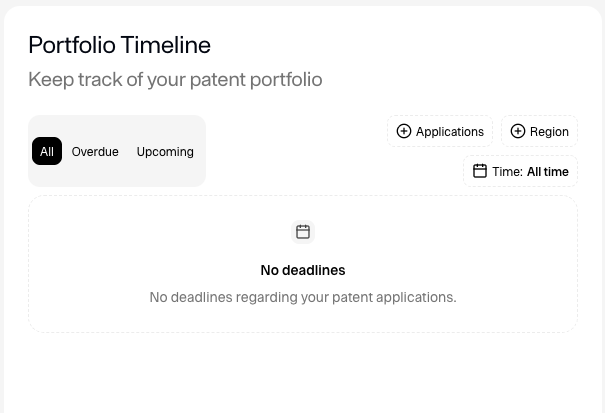
Deadline risk
Patent deadlines are unforgiving, and missing one can mean losing rights. That’s why docketing software became essential in IP management.
Modern systems automate deadlines, reminders, renewals and jurisdiction-specific requirements, reducing manual tracking.
The result is usually less administrative panic and fewer catastrophic surprises.
Portfolio visibility
Many organisations don’t actually have a clean overview of which patents matter most, where filing budgets are concentrated or which jurisdictions are delivering strategic value.
That becomes increasingly difficult as portfolios expand internationally.
Patent portfolio software turns filing data into strategic insights on status, costs, technologies and long-term trends.

Filing inefficiency
Even after grant, the work doesn’t stop.
Patents require maintenance fees, renewals, jurisdiction management, ownership tracking, and ongoing administration. Miss the wrong deadline and rights can disappear surprisingly quickly.
That’s why patent strategy eventually becomes an operational issue as much as a legal one.
What is patent management software?
At its core, patent management software helps organisations manage the lifecycle of intellectual property assets. That includes:

Invention disclosures

Patent filings

Docketing deadlines

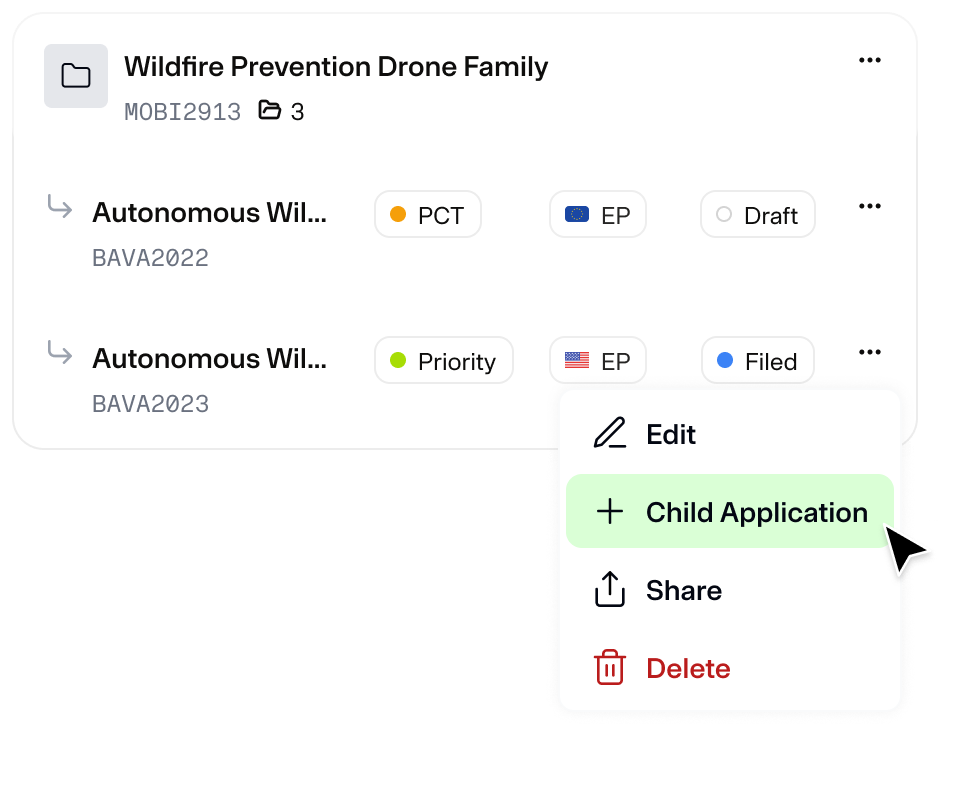
Portfolio tracking

Renewals and annuities

Inventor communication

Reporting and analytics
International filing workflows
Some platforms focus narrowly on docketing and deadline management. Others try to become the operational
backbone for an entire IP department.
That distinction matters more than most buyer guides admit.
The different types of IP management softwares
One reason buyers get overwhelmed is because “IP software” is actually several overlapping software categories.
Here’s what the categories usually mean in practice.
Patent docketing software
Best for: deadline management and prosecution tracking
A patent docketing software focuses primarily on dates, deadlines and procedural workflows.
A patent docketing software focuses primarily on dates, deadlines and procedural workflows.
Historically, docketing systems were the centrepiece of IP operations. Today, many companies still prioritise docketing capabilities first because missing deadlines remains one of the highest operational risks in patent management.
Breaking the invention apart creates a much stronger novelty search foundation and helps uncover prior art that simple keyword searches often miss.

What separates good docketing software from average systems?
Patent databases are heavily language-dependent. The same concept may be described differently depending on:
A system that technically “tracks deadlines” but requires constant manual correction quickly becomes another administrative burden.

IP docketing software vs patent docketing software
These terms are often used interchangeably, but there’s a subtle difference. A patent docketing software focuses specifically on patents and prosecution.
An IP docketing software may also include:
For organisations managing broader intellectual property portfolios, unified IP systems usually make more sense operationally.

Patent portfolio management software
Best for: strategic oversight and portfolio optimisation
This category focuses less on procedural tracking and more on portfolio intelligence. A good patent portfolio management software helps organisations answer questions like:
The strongest systems combine legal, financial and business data into strategic dashboards.
This is especially important for organisations where patents support licensing, valuation and competitive positioning. Modern portfolio systems act as strategic decision-making tools, not just databases.

Patent filing software
Best for: streamlining application workflows
Patent filing is rarely just “submitting documents”. It involves:
Patent filing is rarely just “submitting documents”. It involves:
Some platforms specialise in online filing workflows, USPTO/EPO integrations and inventor intake systems. Others focus more heavily on collaborative drafting, document automation or AI-assisted application preparation.
The strongest systems simplify complex patent workflows without adding unnecessary administration.
IP asset management software
Best for: organisations treating IP as a business asset
This category overlaps heavily with portfolio management but places stronger emphasis on commercial value.An IP asset management software often includes valuation workflows, licensing management, royalty tracking, ownership structures and monetisation reporting.
This becomes particularly relevant for organisations where patents function as:
In those environments, IP management increasingly intersects with finance, operations and executive leadership rather than remaining isolated inside legal departments.
Patent tracking software
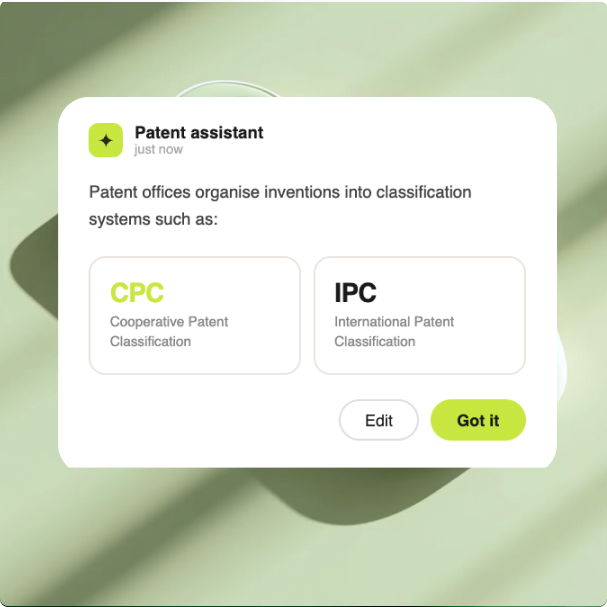
Best for: monitoring prosecution and portfolio activity
Patent tracking software focuses on visibility. That can include:
Some systems track competitor patents, while others combine portfolio management with prosecution and competitive intelligence.
As portfolios become larger and more international, visibility becomes significantly more important operationally. Teams need to know not only what exists in the portfolio, but what’s changing, what’s pending and where strategic gaps may be developing.
Patent automation software
Best for: reducing repetitive operational work
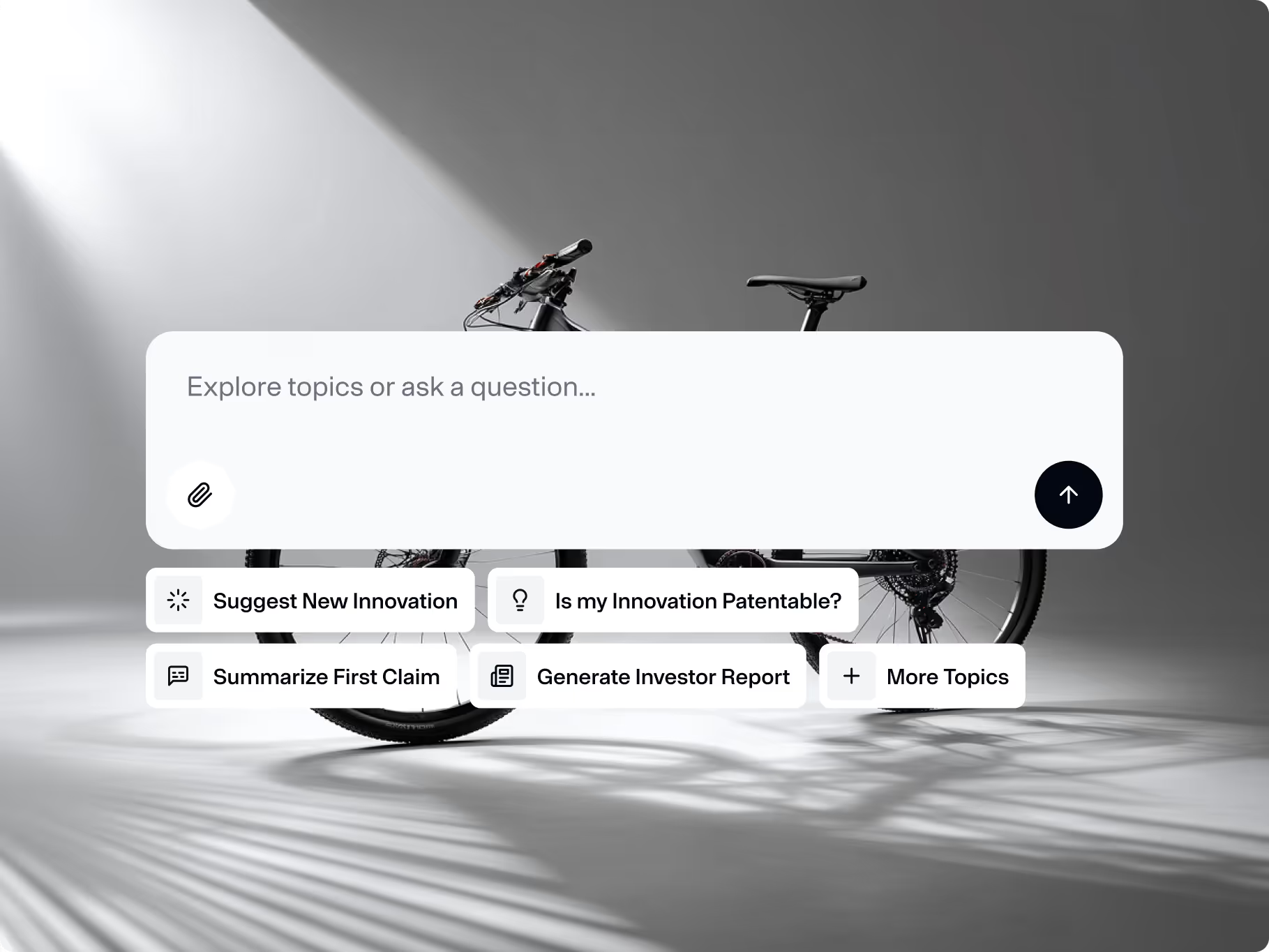
Automation is growing rapidly as IP teams struggle with increasing administrative workloads.
Modern patent software automates deadlines, filings, renewals, documents, reporting and approvals.
The most valuable automation quietly reduces repetitive tasks that consume hours of manual coordination. More advanced platforms now integrate AI into:
The reality is less “robot lawyer replaces attorneys” and more “software removes procedural bottlenecks”. At least for now.

Patent renewal software
Best for: managing maintenance fees and annuities
Patent renewals become surprisingly complicated at scale.
Different jurisdictions have different deadlines, fee structures, grace periods and procedural requirements. Large portfolios can involve thousands of renewal events annually.
Good patent renewal software helps organisations:
Renewal management becomes especially important internationally, where complexity increases dramatically.
Patent writing software
Best for: drafting efficiency and AI-assisted preparation
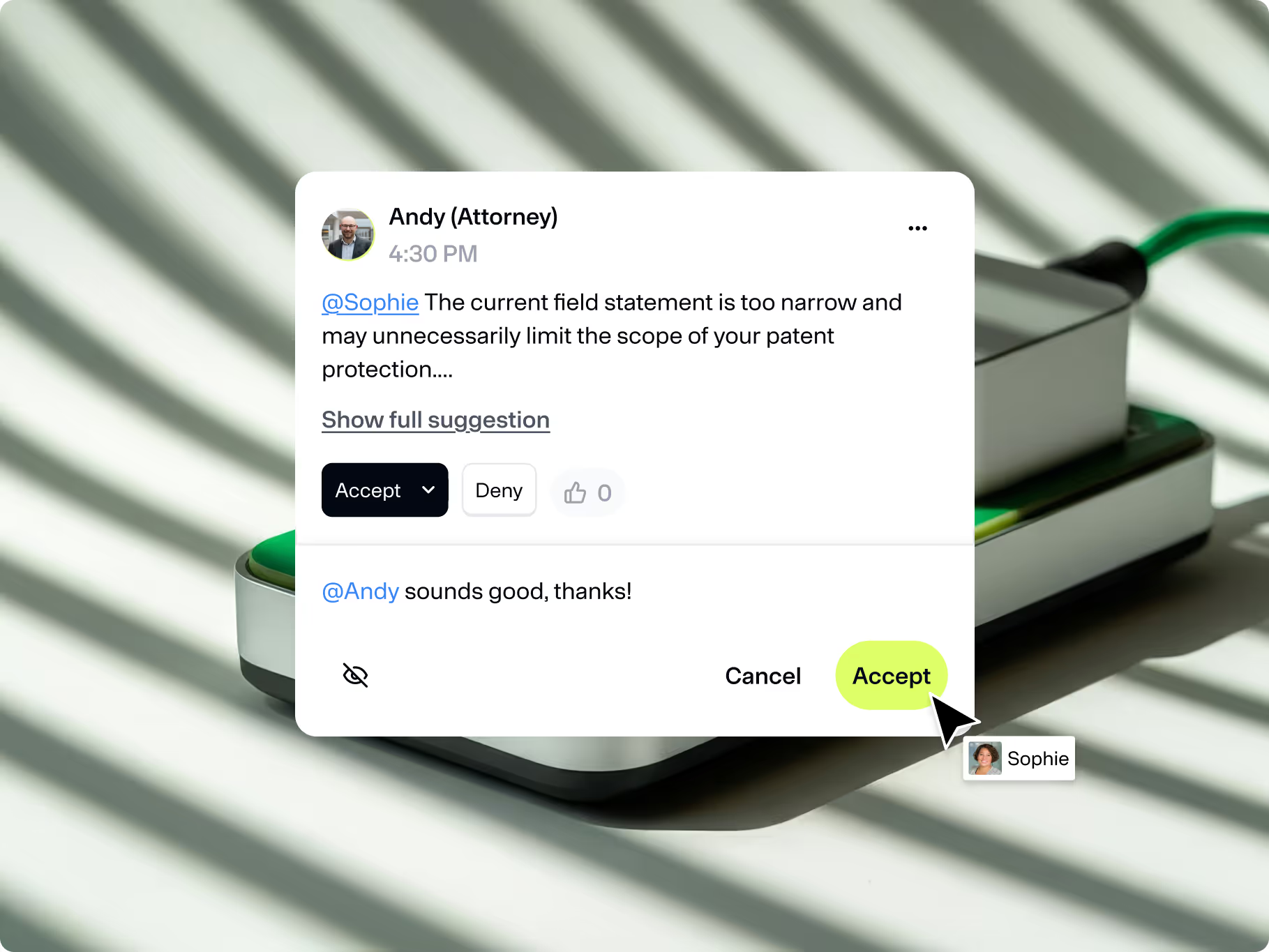
This is one of the newest and fastest-changing categories. Patent writing software traditionally focused on:
Now the category increasingly includes AI-assisted tools that help with claim drafting, specification generation, summarisation and invention disclosure structuring.
The important distinction is that AI drafting tools can accelerate preparation, but they do not replace patent strategy, claim quality or legal judgement.
The best systems currently function as drafting accelerators rather than autonomous patent writers.

The best patent management software
Many “best patent software” lists rank products by marketing visibility and SEO rather than operational fit.
A better approach is evaluating software based on your actual workflow complexity.
The most important features
Patent pending is one stage in a broader patent lifecycle. Understanding that bigger picture makes the status much easier to interpret.
1. Docketing accuracy
If deadlines fail, nothing else matters.
Reliable docketing still forms the operational foundation of most IP workflows. Look for systems with jurisdiction-specific calculations, automated updates, escalation workflows and transparent audit histories.
Teams should trust the system enough that they aren’t manually double-checking every calculation themselves.
2. Invention disclosure management
This is often overlooked during evaluations. But poor invention intake creates downstream chaos surprisingly quickly.
Good invention disclosure management workflows should make it easy for inventors to submit ideas, collaborate with legal teams and track review progress without feeling buried in procedural friction.
If inventors avoid using the system, the workflow fails before patent drafting even begins.
3. Reporting and portfolio analytics
Leadership increasingly expects IP teams to justify filing spend, renewal costs and portfolio strategy more clearly.
Modern reporting tools should provide visibility into portfolio growth, jurisdiction analysis, maintenance forecasting and strategic alignment without requiring endless spreadsheet exports every quarter.
Good analytics help teams make better decisions, not just prettier dashboards

Cloud-based systems
This is one of the newest and fastest-changing categories. Patent writing software traditionally focused on:
They also tend to support subscription pricing models that are easier for smaller organisations to adopt initially.
On-premise systems
On-premise systems remain useful for organisations with strict data policies, legacy integrations or complex cloud migration requirements.
The market trend is clearly cloud-first. But migration complexity can still be substantial for older organisations with deeply embedded legacy workflows.
AI in patent management software
Every IP software company currently claims to have AI. That doesn’t necessarily mean the AI is useful.
Some systems genuinely improve workflows. Others have simply added “AI-powered” to their homepage because investors expect it.
Invention disclosure summarisation
Drafting assistance
Prior art surfacing
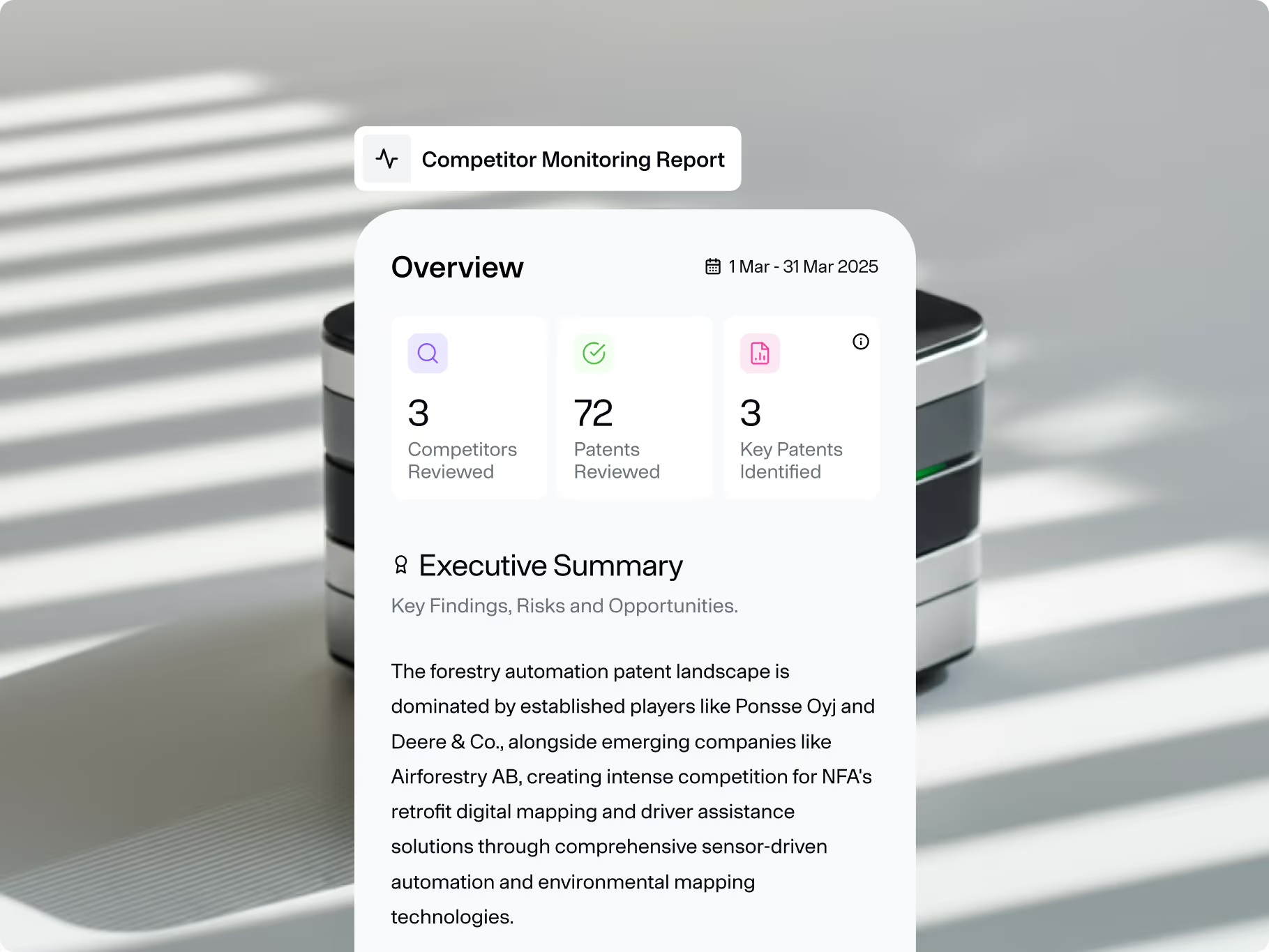
Classification suggestions
Reporting generation
Duplicate detection
Reporting and analytics
International filing workflows
The strongest AI implementations tend to support professionals rather than attempting to replace them entirely.
Which is probably a healthier direction for the industry overall.

Mistakes buyers make
The strongest AI implementations tend to support professionals rather than attempting to replace them entirely.
Which is probably a healthier direction for the industry overall.
Migration is often underestimated, especially with messy data and inconsistent workflows. Implementation quality can matter as much as the software itself.
If teams dislike the system, processes quickly break down. Adoption depends more on simplicity, clear workflows and less administration than powerful features alone.
Modern IP systems increasingly connect prosecution with R&D, finance, product and innovation workflows, driving the growth of broader IP platforms.
How to evaluate a patent management software
And increasingly, patent offices want to see more than abstract logic implemented on generic computer systems.
Map your current workflow
Otherwise you end up buying software based on demos rather than operational reality.
Prioritise your biggest operational risks
The best software depends heavily on which operational problems matter most internally.
Evaluate implementation complexity
Implementation quality becomes increasingly important at scale.
Test real workflows
That reveals operational friction very quickly.


Where the IP software market is heading
Several trends are shaping the market right now.

More automation
Administrative IP work is steadily becoming more automated, especially deadline handling, renewals, reporting and workflow routing.
That trend will likely accelerate rather than slow down.

More AI-assisted drafting
AI tools are rapidly improving drafting support, particularly for summarisation, claim refinement and invention intake workflows.
Though quality control still matters enormously.

Greater portfolio analytics
Companies want IP systems that support strategy, intelligence and licensing—not just administration.
The market is shifting from administration to decision support.

Better integration ecosystems
IP software is increasingly integrating with R&D, finance, innovation and enterprise analytics systems.
The industry is moving from “legal administration” toward broader innovation infrastructure.
Choosing the right IP management software
The right system depends less on flashy features and more on operational fit.
A good platform should reduce administrative overhead, improve visibility, minimise deadline risk and make strategic decisions easier as portfolios grow.
A good platform should reduce administrative overhead, improve visibility, minimise deadline risk and make strategic decisions easier as portfolios grow.
The best intellectual property management software doesn’t just organise patents. It helps organisations make better decisions about innovation.

Trusted by founders.
Loved by engineers.
4.8 out of 5 stars G2 reviews
Still managing patents through spreadsheets?
